Matram
Best when you support several language markets and the team covering them keeps growing
Visit Website ↗Eight AI support tools compared on what they publish about language coverage, and on what happens to the bill as you add people and markets.
Transparency note: some links in this guide are partner links and may earn PeopleOpsHQ a commission at no extra cost to you. We only feature tools we have researched against a consistent set of criteria. See our editorial policy.
Why Trust Us
Every platform is evaluated against a consistent rubric covering coverage, feature depth, pricing transparency, and integrations - no pay-to-play rankings.
Reviews draw on first-hand experience from IT and People Ops leaders running distributed teams in 2026 - not vendor marketing claims.
We disclose every commercial relationship and link to our editorial policy so you can see how recommendations are made.
Overview
Supporting staff across several language markets means more versions of every answer, and under per-agent pricing it usually means more agents too. These eight tools answer from your own documentation. Only four publish how many languages they cover, and one of those contradicts itself.
Disclosure: Matram is our own product and it is ranked first on this page. It is not ranked first on language coverage, where SiteGPT publishes the same 95+ figure and the two tie. It is ranked first on seat economics: it is the only tool here with unlimited seats on every plan, which is what matters when covering more markets means adding more people. Its limitations are stated in full alongside everyone else's, and no vendor on this page has paid for placement.
The Shortlist
Each pick is matched to the team or environment it serves best. Jump into the full reviews below for features, pricing, and trade-offs.
Side by Side
Starting prices reflect entry-tier plans published by each vendor as of 2026. Most platforms scale by device or user and offer volume discounts - always confirm a live quote for your team size.
| Tool | Best for | Free trial / tier | Starting price | Platforms |
|---|---|---|---|---|
|
|
Best when you support several language markets and the team covering them keeps growing | 30 day trial, no card | From $29/month | Web widget / Slack / API |
|
|
Best alternative on language coverage, where one content set covers your markets | Free trial available | From $468/year | Web embed |
|
|
Best free way to test whether this category handles your languages at all | Free plan, no card | Free plan available | Website embed / chat surfaces |
|
|
Best when your markets are covered by a mainstream language set | Free to start, no card | Not published | Website embed / messaging channels |
|
|
Best per-workspace pricing when you want to stop counting seats | Free plan available | Free, then $45/month | Web / mobile |
|
|
a small fixed team that will not grow with your market count | 14 day trial, no card | From $19/user/month | Website embed / messaging / helpdesk tools |
|
|
Best when requests need tracking and actioning, not only answering | Free trial available | From $19/agent/month | Web / cloud |
|
|
Best when Zendesk already runs elsewhere in the business | Free trial available | From $55/agent/month | Web / cloud |
Top Picks
Our highest-rated picks across the category - strong starting points if you want to skip the full read.
Best when you support several language markets and the team covering them keeps growing
Visit Website ↗Best when requests need tracking and actioning, not only answering
Visit Website ↗Best when Zendesk already runs elsewhere in the business
Visit Website ↗In Depth
Full write-ups for every shortlisted platform - what it does well, where it struggles, and who should buy it.
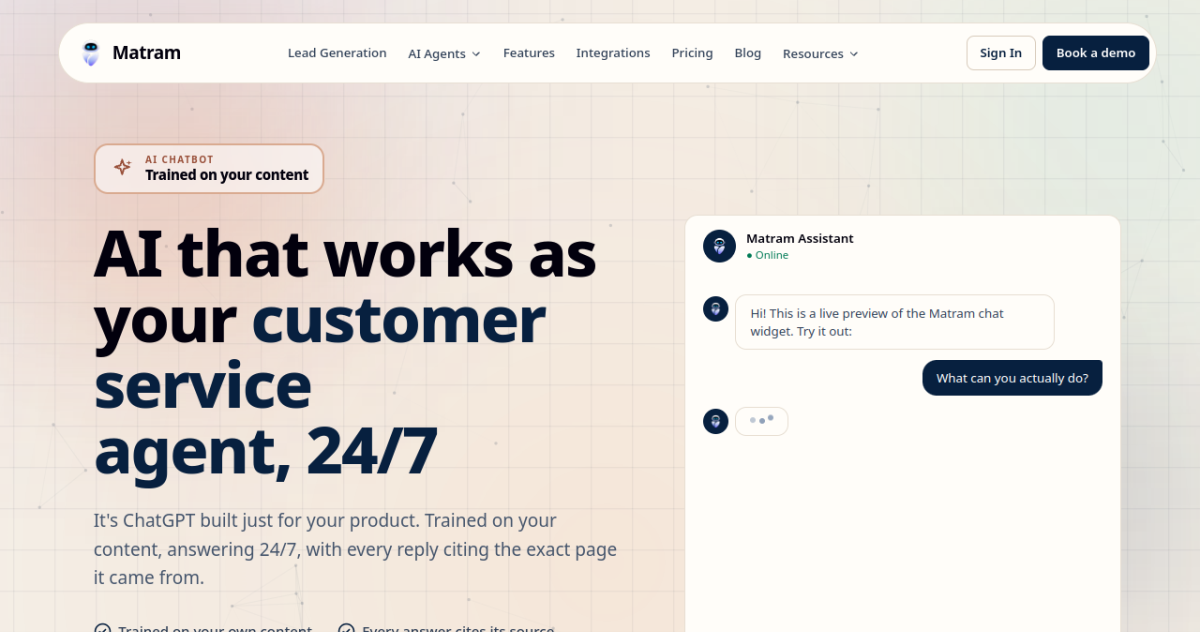
AI support trained on your own content, with flat pricing
Disclosure: Matram is our own product and it is ranked first on this page, so here is exactly what that ranking rests on. It is not language coverage. SiteGPT publishes the same 95+ figure and the two tie on the published number.
Distributed teams whose IT questions are already answered somewhere in writing
Pros
Cons
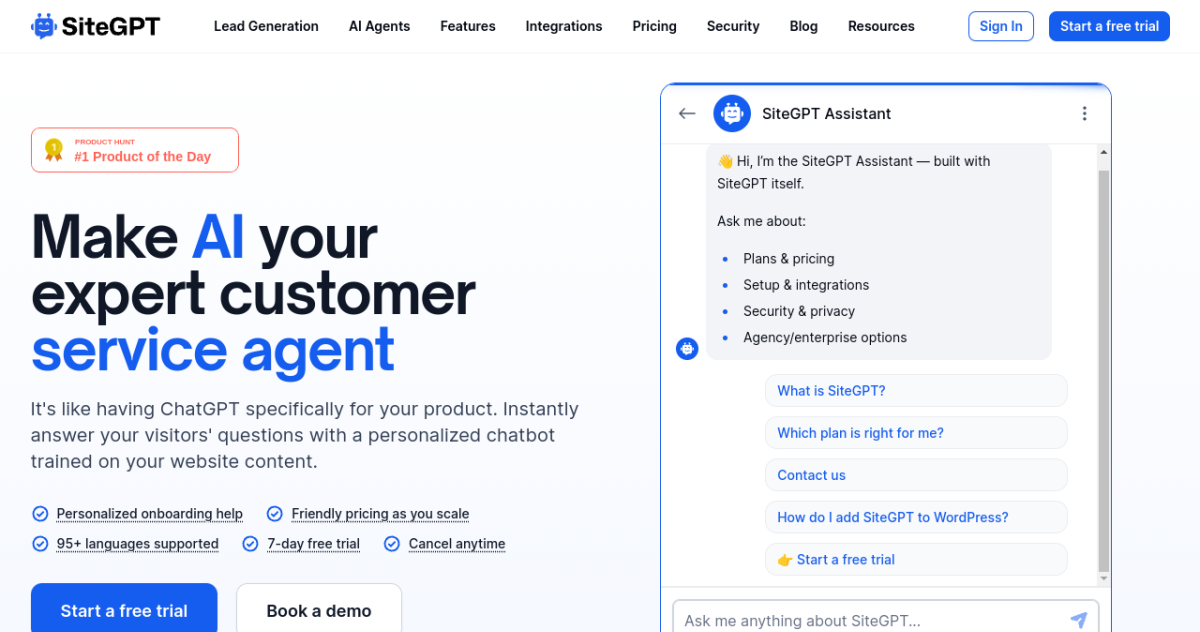
Per chatbot pricing with page limits
SiteGPT ties with our own product on the one number this page is about. It publishes 95+ languages on its own site, the same figure Matram publishes, and we are not going to invent a difference the evidence does not support.
For a bot trained purely on your own pages
Pros
Cons
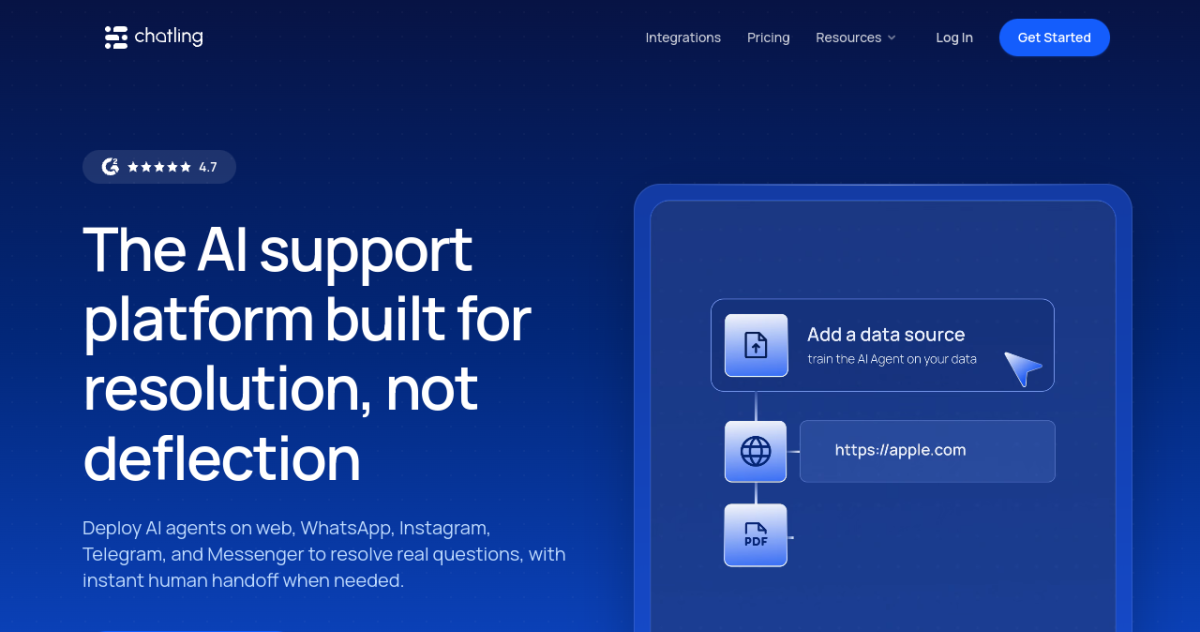
Doc-trained agent with a free plan and a figure it cannot keep straight
Chatling trains an agent on content you supply and answers in a wide range of languages. The free plan is the point: it costs nothing to establish whether this whole category solves your problem.
For a bot trained purely on your own pages
Pros
Cons
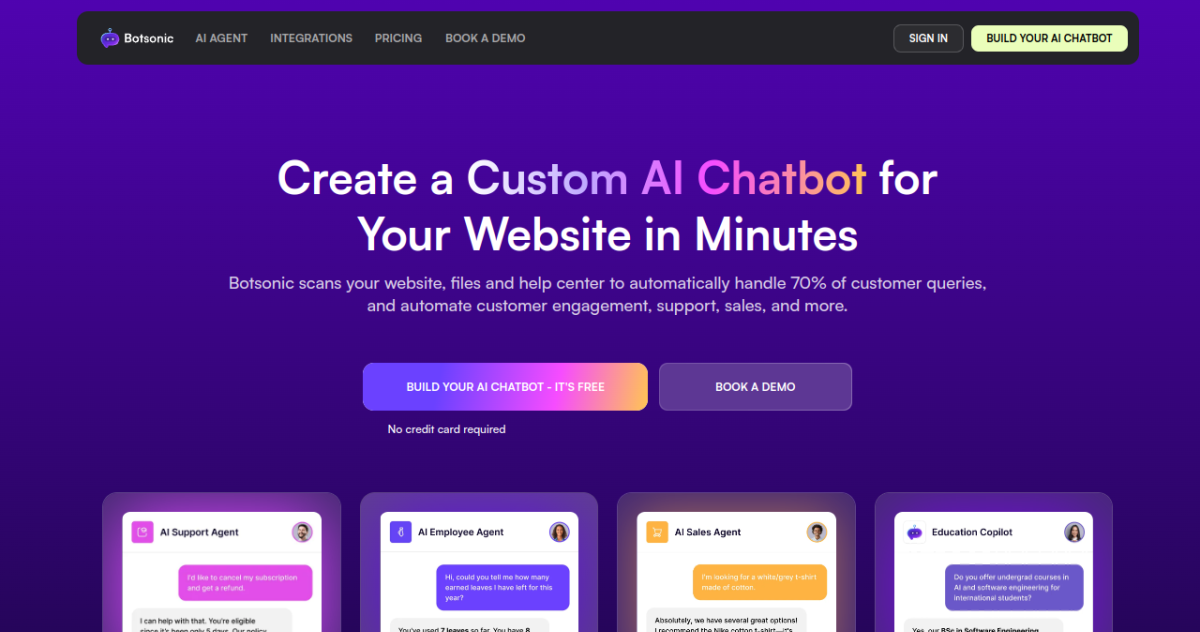
Publishes a number, and the number is the smallest here
Botsonic states coverage of 50 or more languages, which is the lowest published figure in this comparison and still covers the markets most employers actually operate in.
For a bot trained purely on your own pages
Pros
Cons
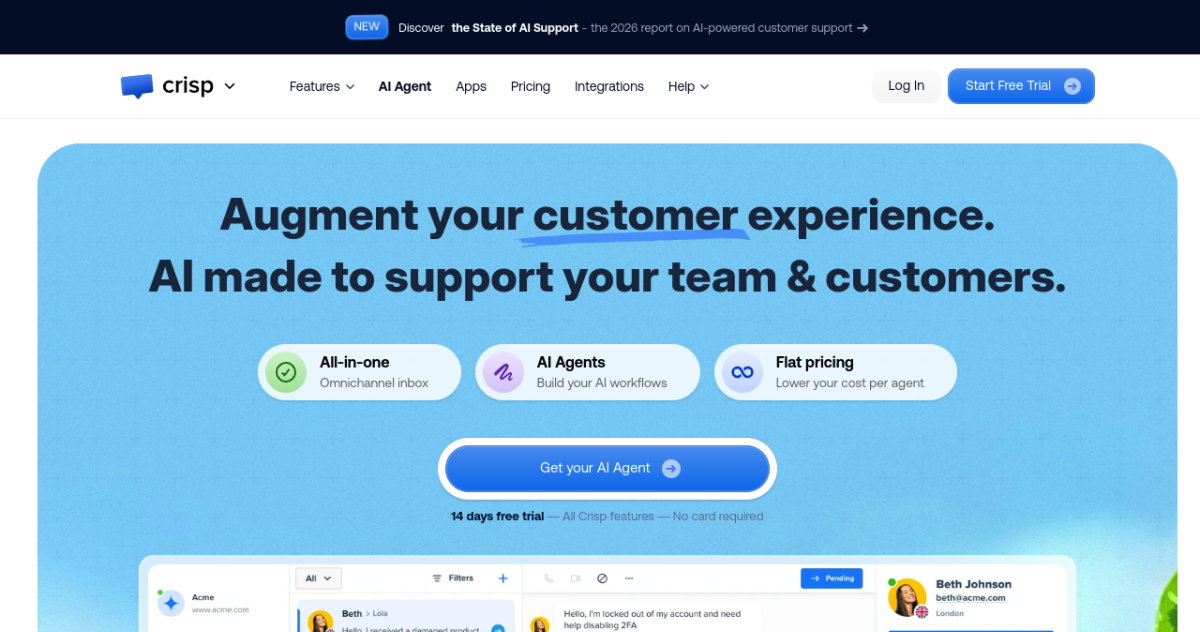
Per workspace pricing with AI credits on top
Crisp is a shared inbox and messaging platform priced per workspace rather than per agent, with AI metered through credits.
Free tier to start on
Pros
Cons
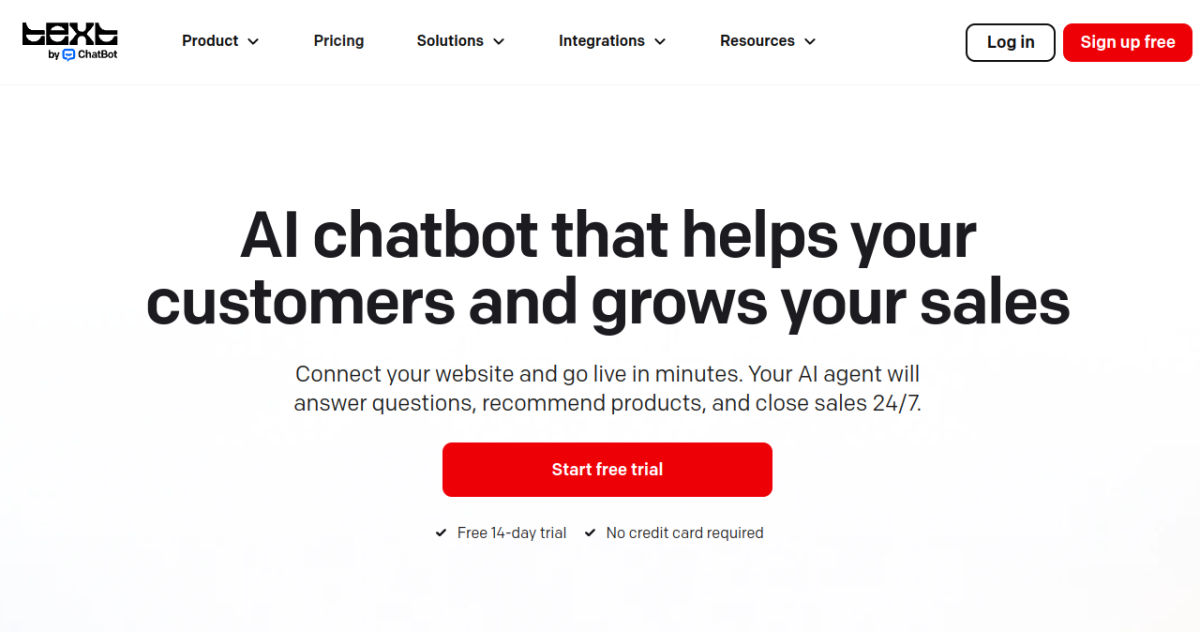
The per-seat counterexample on this page
Chatbot.com is included because it illustrates the trade this page is about. At $19 per user per month it is the cheapest published entry point here for a very small team.
For a bot trained purely on your own pages
Pros
Cons
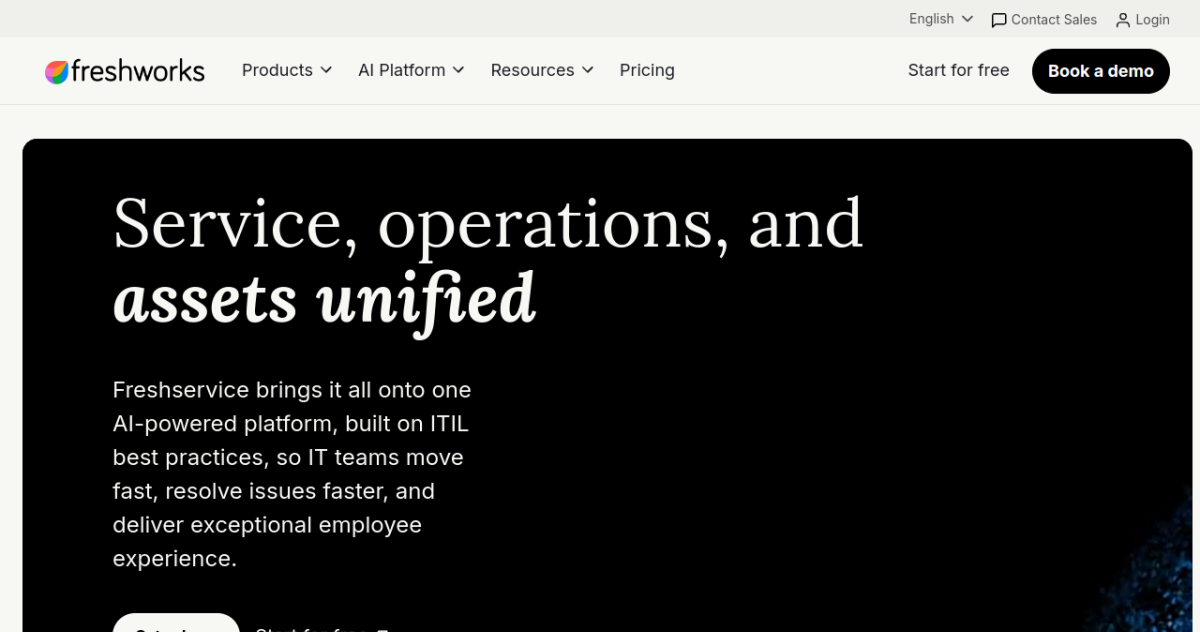
IT service management with a virtual agent on top
Freshservice is a service desk first and a chatbot second, which is the right way round if your actual problem is that requests disappear. Tickets, queues, SLAs, asset records and a service catalogue are all core rather than bolted on.
IT teams that need tickets tracked, assigned and reported on
Pros
Cons
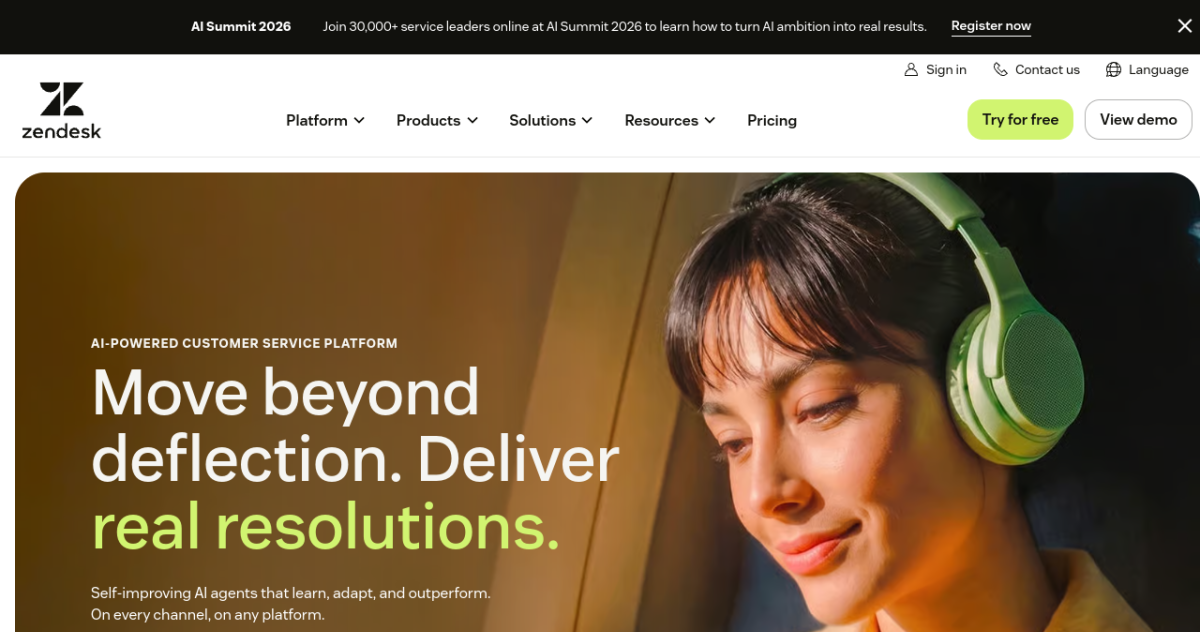
Ticketing first, with AI assistance charged per agent
Zendesk is a full service desk with ticketing, queues and reporting, and an AI layer sold separately per agent.
For larger support organisations needing full ticketing
Pros
Cons
Our Methodology
We evaluate every multilingual IT support platform against the same five criteria, weighted toward what matters most to distributed teams.
The non-negotiables of multilingual IT support - judged on how reliably and granularly each tool delivers them.
Breadth of OS, platform, or environment coverage and the depth of integrations with the rest of your stack.
How much audit-readiness work the tool removes for frameworks like SOC 2 and ISO 27001, and how it handles BYOD privacy.
Time to value, quality of admin and end-user experience, and whether a lean team can run it without a dedicated specialist.
Transparent, predictable pricing measured against the capability delivered - including free tiers and scaling with team size.
Questions & Answers
Matram and SiteGPT both publish 95+ languages on their own sites, checked 7 October 2026, so neither leads the other on the published figure. Chatling states 80+ in one section of its homepage and over 85 in another. Botsonic publishes 50+. Crisp, Chatbot.com, Freshservice and Zendesk publish no count at all, which does not make them poor at languages, only impossible to compare from the outside. If coverage is your deciding criterion, two tools tie at the top and you should test both against your own content.
Because covering more language markets normally means more people covering them, and per-agent pricing charges for each one. The cost of entering a market therefore includes a recurring licence cost that compounds with every addition. Flat pricing with unlimited seats removes that multiplier, per-workspace pricing removes it too, and per-resolution pricing replaces it with one that scales with success instead.
With the doc-trained tools here, yes, in the sense that you maintain your runbooks once and the tool answers in whatever language was used to ask. What that does not remove is the need for the source content to be correct, because a wrong runbook is answered wrongly in every language rather than one. It also does not cover genuine policy differences between markets, which are not translations and have to be written separately.
It varies by billing model more than by headline figure. Matram publishes $29, $69 and $199 a month flat with unlimited seats. SiteGPT publishes $468 and $948 a year. Chatbot.com publishes from $19 per user per month. Zendesk is $55 per agent per month with Copilot a further $50 per agent, and Freshservice is $19, $49 or $99 per agent with Freddy AI a further $29 per agent. Crisp is free then $45, $95 or $295 per workspace. Chatling and Botsonic publish no paid pricing. All read from vendor pages on 5 and 7 October 2026.
Most answer rather than action. An answering tool explains how to request a replacement laptop; an actioning tool raises the request inside a service desk. Freshservice and Zendesk sit on service desk platforms and can do the second. Matram, SiteGPT, Chatling and Botsonic answer and hand over. If your problem is that requests get lost rather than that questions repeat, you need a service desk and a chatbot will not address it.
The tool repeats the error fluently, in every language it supports, which is the main risk of this category. A doc-trained agent inherits the accuracy of its sources exactly, so a page last reviewed two years ago produces confidently wrong answers at scale rather than the occasional wrong answer a colleague would have corrected. Audit the five documents behind your most frequent questions before deploying rather than after the first complaint.