Rippling IT is a suite. It bundles identity, device management, inventory, helpdesk and compliance evidence into one product, and it works best when you already run Rippling for employment. If you don’t, or you only need the device half, the bundle is the problem rather than the appeal.
TL;DR
- Rippling IT covers identity and access, device management, inventory through procurement and retrieval, helpdesk, and SOC 2 evidence collection.
- It states coverage of more than 130 countries for inventory and shipping, which is a larger number than most specialists publish.
- It publishes no price for the IT product. The six-figure sum on its page is a customer savings claim, not a rate.
- The honest reason to look elsewhere is scope, not quality: you may need one layer and be asked to buy five.
- If you are not on Rippling for payroll or HR, much of the bundle’s value does not apply to you.
- Specialists cover the logistics half; asset record tools cover the inventory half; almost none of them publish a price either.
What Rippling IT actually includes
Be accurate here. The product is a good deal broader than most people assume when they go looking for alternatives to it. Read 24 October 2026.
Five layers. It covers identity and access management, updating permissions and groups automatically when somebody changes role, with single sign-on and multi-factor. It covers device management: setup, configuration and software installation across macOS, Windows, iOS and iPadOS. It covers inventory, which is where procurement, worldwide shipping, warehousing, retrieval and buyback sit. There’s a helpdesk that resolves requests automatically, and compliance automation that collects SOC 2 evidence.
That last pair matters more than it looks, because few specialists touch helpdesk or compliance evidence at all. Few specialists do helpdesk or compliance evidence at all, so if those are live problems for you the bundle is doing real work rather than padding.
And the coverage number is genuinely strong. The FAQ states more than 130 countries for inventory, which beats what most dedicated logistics platforms publish. If your hiring map is wide, that’s a serious point in its favour and one you should weigh honestly rather than discount because you came here looking for something else.
The pricing position
No price is published. The page links to a general pricing page that carries none for the IT product, and the calls to action are a demo or a trial.
One figure sits on the page. It isn’t a price. It reads as roughly 200,000 dollars of average annual savings from consolidating tools and services, sourced to a customer case study. That belongs nowhere near a budget comparison, and it is the single most likely figure to end up in somebody’s spreadsheet labelled as a cost.
So you can’t compare Rippling IT on price without a call. Nor can you compare most of its alternatives that way, which at least makes the playing field even.
Three honest reasons to look elsewhere
You aren’t on Rippling. A large part of the value is that identity, employment and devices share one record. Buy the IT module alone and you’re paying for integration depth you can’t use, while a specialist that integrates with whatever HR system you do run may fit better.
You only need one layer. Plenty of teams have MDM they like, identity they like, and a single gap around shipping and retrieval. Replacing three working things in order to fix the one broken thing is an expensive and disruptive way to solve a narrow problem.
You want a published price. Some finance functions won’t approve a platform without a public rate to budget against, and that’s a legitimate constraint rather than a preference. It narrows the field sharply, because almost nobody here publishes.
What to do:
- List the layers you already have working and would not replace.
- Name the single layer that is actually broken.
- Check whether a specialist covers that layer in your countries.
- Only consider a suite if two or more layers are broken at once.
What the alternatives actually cover
They split cleanly. Knowing the split saves you a wasted demo and possibly an entire procurement round.
Logistics specialists buy, ship, store and retrieve. Workwize, Firstbase, GroWrk, allwhere, Esevel, Deel IT and RemoAsset sit here. None of them does identity or helpdesk, and not one except RemoAsset publishes a rate card you could budget against.
Asset record systems track what you own without moving it. Oomnitza is the clearest case: hardware and software asset management, quote-based after a scoping call, with no shipping mentioned anywhere on its site.
SaaS and identity tools cover the software half and nothing physical. Zluri doesn’t touch hardware at all. Electric AI is the nearest thing to a middle option and publishes a real ladder: a free tier, Essentials at $10 per user per month, and Pro at $25, with MDM arriving at the Pro level. Note the unit is per user rather than per device.
A team that unbundled
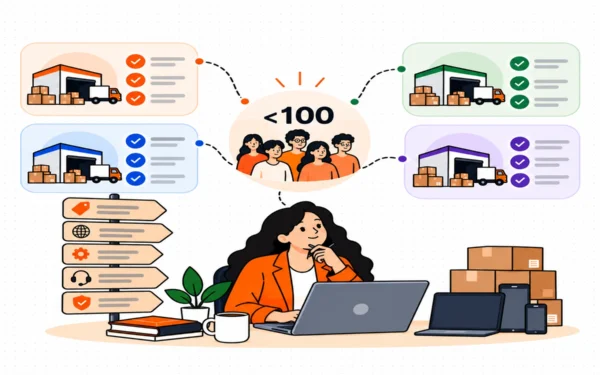
One problem, five layers. A 230-person company already ran Rippling for payroll and was quoted for the IT module to solve a single issue: machines weren’t reaching new starters in three European markets.
They looked at what they would actually use. Identity was already handled and working, MDM was in place and nobody wanted to migrate it, and the helpdesk volume was 14 tickets a month. The genuine gap was shipping and retrieval in three countries, which is one layer of five. They kept what they had and bought a logistics specialist for the gap.
Two years later they revisited it. By then they had compliance evidence problems as well, which is a second broken layer, and the suite argument had become considerably stronger. The decision was right both times, because the inputs had changed.
Where a published figure helps
RemoAsset is our own product. Its relevance here is narrow: it covers the logistics layer only, across 80+ countries, with each device tracked through issue and return, and it publishes a figure, which is rare in this category. From $1,499 a year on the Subscription tier for companies with 50 to 5,000+ employees, including a 60 per cent reduction on retrieval charges.
Be clear about the gaps. It has no network discovery, so it can’t find hardware your register never knew about. It has no software licence management. And only the Subscription tier publishes a figure, with pay-as-you-go quoted. It does no identity, no MDM, no helpdesk and no compliance evidence, which is exactly the opposite of what a suite offers.
On coverage, Rippling wins. Its 130+ countries is a bigger number than our 80+, and if you hire in the long tail that difference is the whole decision. Worth saying plainly rather than hiding in a footnote.
Checklist
Checklist:
- Count the layers that are genuinely broken, not the ones that could be better.
- Confirm whether you are already on Rippling for employment.
- Check your specific countries against each vendor, not the headline total.
- Ask whether retrieval is in scope or billed on top.
- Decide whether a published price is a hard requirement from finance.
- Treat any savings claim on any vendor page as marketing, never as a rate.
Final Thoughts
Rippling IT is a good suite. The question is never whether it is good, it is whether you need five layers or one, and most teams asking about alternatives have discovered they need one.
So count your broken layers first. If the answer is one, buy the specialist that covers it and keep what already works. If it is three, the bundle starts making sense and the integration depth you would otherwise be paying for becomes the reason to buy.
Frequently asked questions
How much does Rippling IT cost?
No price is published for the IT product. The page links to a general pricing page that carries none for IT, and the calls to action are a demo or a free trial. The one currency figure on the page is a customer case-study saving of roughly 200,000 dollars a year from tool consolidation, which is a marketing claim rather than a rate and should never be carried into a budget.
How many countries does Rippling IT cover?
Its FAQ states more than 130 countries for inventory and shipping, which is larger than most dedicated logistics platforms publish, including our own 80+. If you hire across a wide spread of markets, that difference may matter more than anything else on your comparison sheet, and it is worth checking your specific countries rather than relying on either headline figure.
When is a specialist better than the suite?
When only one layer is broken. Plenty of teams have identity and MDM working well and a single gap around shipping and retrieval, and replacing three functioning systems to fix one is expensive and disruptive. Count the genuinely broken layers before you shortlist, and only consider a suite when two or more are failing at the same time.
Does it matter whether we already use Rippling for HR?
A great deal. Much of the suite’s value is that identity, employment and devices share one record, so buying the IT module without the employment side means paying for integration depth you can’t use. If you run a different HR system, a specialist that integrates cleanly with it will usually serve you better than a partial suite.
Which alternatives publish pricing?
Almost none. Workwize, Firstbase, GroWrk, allwhere, Esevel, Deel IT, Oomnitza and Zluri all publish nothing for this. RemoAsset publishes a Subscription figure. Electric AI publishes a separate per-user ladder: a free tier, Essentials at $10 and Pro at $25. Treat any published price as a convenience for budgeting rather than as evidence that the product behind it is better value.
Can an asset tool replace the logistics piece?
No, and it is a common mix-up on shortlists. Asset record systems such as Oomnitza know what you own and who holds it but do not move anything, and Zluri does not touch hardware at all. If your problem is getting a laptop to somebody in another country and getting it back, a record system solves the half you probably already had.